Your No-Stress Guide to French Wine Pairings at SF Restaurants (and Wine Shops)
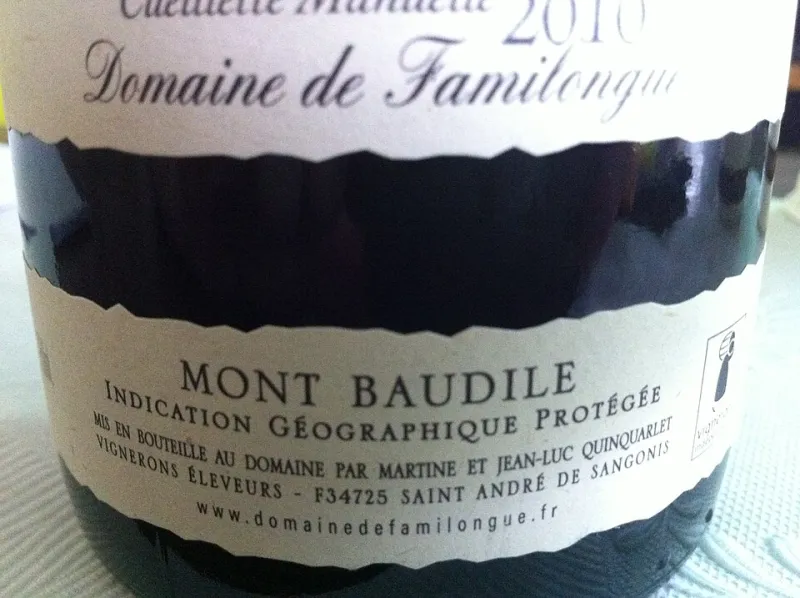
Photo: User:Agne27, CC BY-SA 3.0, via Wikimedia Commons
Let's start with something reassuring: you don't need a sommelier's certificate to pick a good French wine. You just need a few basic principles, a little regional context, and the confidence to trust your palate. This guide is here to give you all three — whether you're scanning a wine list at a French-inspired restaurant in the Mission or browsing the shelves at a wine shop in the Castro.
French wine can feel overwhelming because France produces so much of it, from so many different regions, in so many different styles. But once you get a handle on the big regions and what they're known for, the rest starts to click pretty naturally.
The Big French Wine Regions, Briefly
You don't need to memorize every appellation, but knowing the major players goes a long way.
Burgundy (Bourgogne): This is where Pinot Noir and Chardonnay live at their most complex and age-worthy. Red Burgundy can be ethereal — light in color but deep in flavor, with earthy, forest-floor notes. White Burgundy (especially Chablis and Meursault) is dry, mineral-driven, and genuinely stunning with food.
Bordeaux: Think Cabernet Sauvignon-dominant reds on the Left Bank (Médoc, Pauillac), and Merlot-forward blends on the Right Bank (Saint-Émilion, Pomerol). These are the big, structured wines built for beef and long dinner tables.
The Rhône Valley: Syrah rules the Northern Rhône (Crozes-Hermitage, Saint-Joseph), while the Southern Rhône blends it with Grenache and Mourvèdre (hello, Châteauneuf-du-Pape). These are bold, spicy, and incredibly food-friendly.
Alsace: Often overlooked, Alsace produces some of France's most distinctive whites — aromatic Riesling, Gewurztraminer, and Pinot Gris, many of them dry or off-dry. They're incredible with rich, savory food.
Loire Valley: The Loire is a playground for Sauvignon Blanc (Sancerre, Pouilly-Fumé), Chenin Blanc (Vouvray), and lighter reds like Cabernet Franc (Chinon, Bourgueil). Versatile, food-friendly, and often very affordable.
Champagne: Sparkling wine from the Champagne region is its own universe. Brut Champagne is dry and celebratory, yes, but it's also genuinely one of the most food-versatile wines you can open.
The Golden Rule of Pairing (That Actually Works)
Forget the old "red with meat, white with fish" binary. The more useful principle is this: match the weight and intensity of the wine to the weight and intensity of the dish.
A delicate poached sole needs a wine with finesse — a lean Chablis or a crisp Loire Sauvignon Blanc. A slow-braised short rib in red wine reduction can handle — and frankly needs — something with backbone, like a Northern Rhône Syrah or a solid Bordeaux blend.
Acidity is your friend. French wines tend to be higher in acidity than many New World wines, which makes them exceptional at cutting through rich, fatty, or creamy dishes. That beurre blanc? Chablis. That duck confit? A Pinot Noir from Burgundy or a Chinon from the Loire.
Pairing by Dish: A Quick-Reference Guide
French Onion Soup This is a tricky one because it's intensely savory and rich. Go with something that has good acidity and a bit of body — an Alsatian Pinot Gris works beautifully, or try a white Côtes du Rhône if you want to stay budget-friendly.
Steak Frites This is Bordeaux's moment. A Côtes de Bordeaux or a Saint-Émilion at a mid-range price point ($25–$40) will be genuinely satisfying. If you're feeling adventurous, a Crozes-Hermitage Syrah is a slightly funkier, equally great option.
Bouillabaisse or Any Seafood-Forward Dish Provençal rosé is the classic call here, and it's a good one — dry, herbal, and refreshing. But don't sleep on a white Côtes de Provence or a Bandol Blanc if you can find one at a local wine shop.
Roast Chicken or Lighter Poultry White Burgundy is the dream pairing, but it can get pricey. Look for a Mâcon-Villages or a Saint-Véran — both are Chardonnay-based, unoaked or lightly oaked, and usually available for $20–$30.
Cheese Course Sauternes with Roquefort is one of the great food-and-wine combinations in existence — sweet wine, salty blue cheese, absolute magic. For a lighter cheese plate with chèvre, a dry Vouvray or Sancerre is a natural fit.
Chocolate Desserts Skip the red wine here (tannins and chocolate rarely play well together) and reach for a Banyuls — a sweet, fortified wine from Southern France that's practically designed for dark chocolate.
Navigating Wine Lists at SF Restaurants
San Francisco restaurants with French-inspired menus tend to have thoughtfully curated wine lists, and most of the staff genuinely want to help you find something you'll love. A few tips:
- Tell them your budget upfront. A good sommelier or server won't judge you — they'll just help you find the best bottle in your range. Saying "I'm looking for something around $60" is completely normal and helpful.
- Ask what they're excited about. Wine lists at good SF restaurants often include some interesting, lesser-known producers. If someone on staff lights up when you ask this question, follow their lead.
- Don't ignore the by-the-glass options. Many SF restaurants offer exceptional pours by the glass, which lets you try different wines with different courses without committing to a full bottle.
Budget-Friendly Picks to Look for at SF Wine Shops
If you're shopping for a bottle to bring to dinner or enjoy at home, these are reliable, widely available French wines that won't break the bank:
- Mâcon-Villages (White Burgundy) — Under $25: Clean, food-friendly Chardonnay without the oak bomb. Excellent with chicken, fish, or a simple salad.
- Côtes du Rhône Rouge — $15–$22: Usually a Grenache-Syrah-Mourvèdre blend, these are juicy, approachable, and work with almost everything savory.
- Muscadet Sèvre et Maine — Under $20: Bone-dry, bracingly crisp, and spectacular with oysters or any shellfish. One of France's most underrated values.
- Beaujolais-Villages — $18–$28: Light, fruity, and slightly chilled, this is a crowd-pleaser that pairs with charcuterie, lighter pastas, and casual dining occasions.
- Crémant d'Alsace — $20–$30: Sparkling wine made in the traditional method, often for half the price of Champagne. Festive and genuinely delicious.
One Last Thing
The best wine pairing is the one you actually enjoy. French wine culture, at its core, is about pleasure — about gathering around a table, eating well, and drinking something that makes the food taste better and the company feel warmer. You don't need to get it perfect. You just need to show up curious, ask a few questions, and trust that the glass in front of you is part of something worth savoring.
