Dirt, Time, and Zero Additives: How SF's Natural Wine Scene Is Changing the Way We Drink French
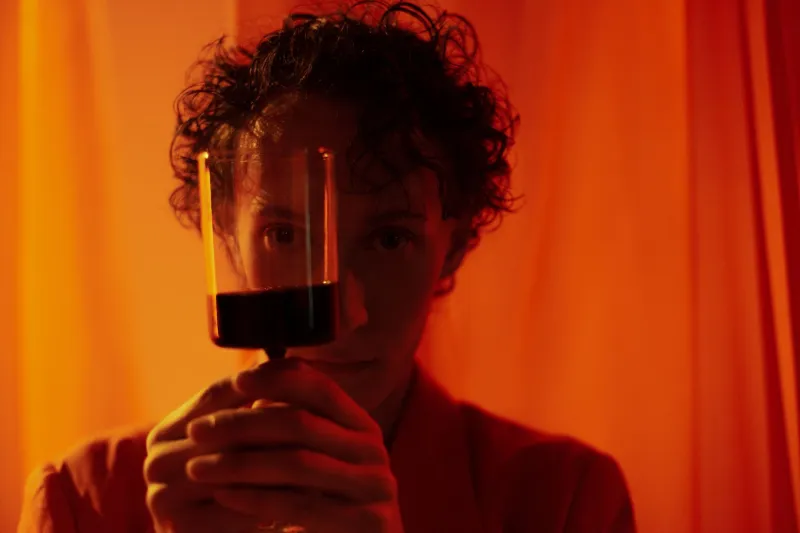
Walk into the right kind of wine bar in San Francisco on any given evening and you'll find something interesting on the list: a Beaujolais that tastes nothing like the Beaujolais you grew up thinking you hated, or a Loire Valley Muscadet that's somehow both funky and electric, or a Jura orange wine that smells like a hiking trail in the best possible way.
This is the natural wine moment, and SF has been living it longer than most American cities. What started as a niche obsession among sommeliers and food-world insiders has quietly become a defining feature of the city's French-inspired dining scene — reshaping wine lists, changing how restaurants talk about terroir, and forcing some genuinely interesting conversations about what French wine even means in 2025.
What "Natural" Actually Means (and Why It's Complicated)
Let's get the definitional stuff out of the way, because it matters. "Natural wine" doesn't have a legal definition, which is part of why the conversation around it can get heated. In practice, it generally refers to wines made with minimal intervention: hand-harvested grapes, native yeasts for fermentation, little or no sulfur added, and none of the long list of additives that are technically legal in conventional winemaking.
The result can be wines that taste wilder, more alive, and more site-specific than their conventional counterparts — or wines that are frankly unstable and smell like a science experiment gone wrong. The range is enormous, and that's exactly what makes navigating natural wine both exciting and occasionally exhausting.
For SF sommeliers working with French-inspired menus, that range is the whole point. "You have to taste a lot of bad bottles to find the great ones," admits one sommelier at a Tenderloin wine bar that's become a pilgrimage spot for the city's natural wine faithful. "But when you find a grower in Burgundy or the Rhône who's farming organically and not touching the wine in the cellar — the terroir expression is just different. You're tasting the place."
The French Roots of the Movement
Here's the irony that doesn't get discussed enough: the natural wine movement is, in many ways, deeply French. The names most associated with its origins — Marcel Lapierre in Beaujolais, the producers of the Loire Valley, the vignerons of Alsace who started farming biodynamically decades before it was fashionable — are French winemakers working in French appellations with French grape varieties.
The movement didn't come from nowhere. It was, at least in part, a reaction to the industrialization of French wine in the postwar decades, when yields ballooned and chemical inputs became the norm. The natural wine producers were essentially arguing for a return to older practices — which means that for all its countercultural energy, natural wine is also a form of conservation.
SF importers who specialize in French natural wines are quick to make this point. "I'm not importing something radical," says one importer based in SoMa who works primarily with small French domaines. "I'm importing something that's closer to what French wine was before the 1960s. It's the conventional stuff that's the departure from tradition."
How SF Restaurants Are Building Natural French Lists
For restaurant sommeliers, building a wine list around natural French wines requires a different kind of curatorial thinking. You're not just selecting bottles — you're essentially explaining a philosophy to guests who may have wildly different expectations about what a French wine should taste like.
The most successful SF spots have learned to meet diners where they are. That might mean keeping a few more recognizable, conventional French bottles on the list as anchors while gradually introducing guests to lower-intervention options through by-the-glass pours and staff recommendations.
"We don't lead with 'natural wine' as a label," says the beverage director at a French brasserie in the Castro. "We lead with flavor. We say, 'This is from a small family farm in the Languedoc, it's bright and a little earthy, and it's going to be great with what you're eating.' People respond to that. They don't need the ideology."
Some spots are going further. A handful of SF wine bars have built their entire lists around low-intervention French producers, organizing by region and farming philosophy rather than by conventional varietal categories. The result is a wine education that happens naturally over the course of a meal.
Finding Natural French Wine in SF
If you want to start exploring, the city's independent wine shops are your best entry point. Several shops in the Mission, Hayes Valley, and the Outer Sunset have staff who specialize in exactly this territory and will happily walk you through the difference between a stabilized Côtes du Rhône and something made by a grower farming certified organic in the same region.
For restaurant experiences, look for menus that describe wines by producer and farming method rather than just appellation and vintage. That's usually a signal that someone in the kitchen or front-of-house cares about this stuff. Ask your server or sommelier what they're excited about — in SF's French dining scene, that question almost always leads somewhere interesting.
A few things to keep in mind as you explore: slight cloudiness in a wine isn't a flaw, it's often unfined. A little volatile acidity — that faint vinegary edge — is normal and even desirable in some styles. And if a wine smells a little funky when you first open it, give it ten minutes. Some of the best bottles need time to open up and show you what they're doing.
What It Means for French Dining in SF
The natural wine movement has done something interesting to SF's French dining scene beyond just changing what's in the glass. It's created a shared language around provenance, farming, and the relationship between land and flavor — a language that connects naturally to the sourcing conversations happening in French-inspired kitchens across the city.
When a chef is talking about which farm their vegetables come from and a sommelier is talking about which domaine's grapes were harvested by hand, they're essentially making the same argument: that where something comes from matters, and that the story of a place can be tasted.
For diners, that's a genuinely more interesting way to experience a meal. And for SF's French-inspired restaurants, it's become one of the clearest ways to distinguish what they're doing from everywhere else.