Beyond Sourdough: How SF's French Bakers Are Finally Getting a Seat at the Table
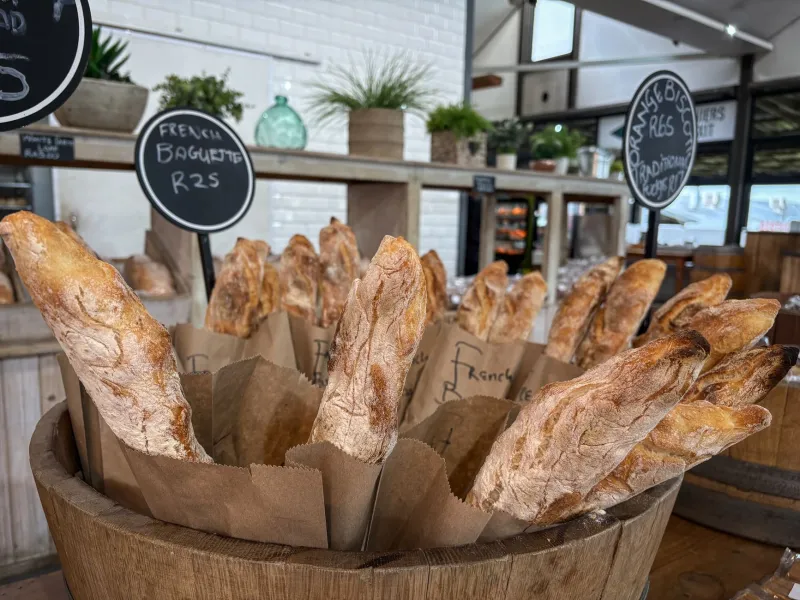
Ask anyone what bread means in San Francisco, and you'll get the same answer every time. Sourdough. The crusty, chewy, aggressively tangy loaf that's become as much a civic identity as the fog or the cable cars. It's on menus, in gift shops, and baked into the city's origin story. But walk into one of SF's growing number of French-inspired boulangeries on a Tuesday morning, and you'll find bakers quietly, persistently doing something different — and slowly winning people over.
This isn't a battle against sourdough exactly. It's more like a long-overdue introduction.
A Different Kind of Bread Education
When bakers trained in the French tradition set up shop in San Francisco, they quickly discovered something unexpected: a lot of customers had never really thought about bread as having variety. Sourdough was the default. Everything else was, at best, a novelty.
"People would come in and ask for 'the bread,'" recalls one Mission District baker who spent years working in Lyon before opening her own spot. "I'd gesture at the whole case — the baguettes, the pain de campagne, the miche — and they'd look confused. Like they were waiting for me to point at the sourdough."
That learning curve has become something of a mission for SF's French-leaning bakers. Many of them now treat the counter as a classroom, walking first-timers through the difference between a levain-leavened country loaf and a classic baguette made with commercial yeast. They explain why pain de mie — the soft, square-crumbed sandwich bread that's a French pantry staple — isn't the same as American white bread, even though it looks similar at first glance. They talk about fermentation times, flour sourcing, and why a good croissant should shatter when you bite into it.
It's a lot of context to deliver between 7 and 9 a.m., but most of these bakers say the curiosity is real once it's sparked.
The Croissant Moment
If there's one product that's been doing the heavy lifting for the French bread cause in SF, it's the croissant. And not the sad, doughy, gas-station version that many Americans grew up eating. The real thing: laminated dough with visible layers, a honeyed interior, a shattering exterior, and enough butter to make you briefly reconsider your life choices.
For a lot of San Franciscans, tasting a properly made croissant for the first time is genuinely surprising. Bakers across the city describe the same reaction — a pause, a second bite, and then something like disbelief. "They'll say, 'I didn't know croissants could taste like this,'" says one baker who sources his butter from a small Brittany producer. "And I think that's the opening. That's when the conversation about French bread actually starts."
The lamination process — folding cold butter into dough dozens of times over the course of hours — is part of what makes French pastry baking so labor-intensive and, frankly, so at odds with the efficiency demands of a high-volume bakery. But it's also what creates that texture that sourdough, for all its virtues, simply can't replicate.
Sourcing in a Sourdough World
One of the less obvious challenges French bakers face in SF is sourcing. The Bay Area has a rich network of artisan grain farmers and mills, but much of that ecosystem has grown up around the sourdough tradition — whole wheat and heritage grains that add complexity and chew to naturally leavened loaves. French baking often calls for higher-protein bread flours with different milling specs, and finding consistent local sources has taken time.
Several bakers have developed direct relationships with California mills willing to work with them on custom flour blends. Others import specific flours from France for particular products, especially for baguettes, where the flavor of the flour itself is so central to the finished loaf. "A baguette in Paris tastes the way it does partly because of the wheat," one baker explains. "You can get close here, but you have to be intentional about it."
That intentionality extends to butter, too. European-style butters with higher fat content are essential for laminated doughs, and while domestic options have improved significantly, many of SF's French bakers still swear by imported varieties for their most technique-dependent products.
Not Anti-Sourdough, Just Pro-Variety
It's worth being clear about something: none of the bakers working in this space are trying to dethrone sourdough. Most of them respect the tradition deeply and acknowledge that SF's sourdough culture has actually helped create an audience that cares about bread craft in the first place. A city that's obsessed with one style of bread is, at least, a city that pays attention to bread.
What they're pushing back against is the assumption that sourdough is the only legitimate form of serious baking. The French bread tradition is just as technically demanding, just as rooted in regional history, and just as capable of producing transcendent results. Pain au levain, the French country loaf that uses a natural starter, is technically a sourdough — it just tastes different because the fermentation is managed differently and the flour profile is distinct.
"I'm not here to compete with Tartine," laughs one baker, referencing the legendary SF bakery that helped define the city's sourdough identity. "I'm here to show people that there are twenty other things worth caring about."
Finding the Audience
The good news is that the audience is finding them. SF's French-inspired boulangeries have quietly built loyal followings, often starting with the expat community and French-trained chefs who already knew what they were looking for, then expanding to curious locals drawn in by the smell of baking butter or a well-placed Instagram post.
Farmers markets have been particularly effective as discovery points. Watching a baker slice open a miche or explain the scoring pattern on a baguette turns a transaction into an experience, and people who might never have wandered into a dedicated French bakery end up becoming regulars.
Weekend brunch culture has helped, too. As SF diners have grown more adventurous about their morning routines, the idea of building a meal around a tartine with cultured butter or a ham-and-cheese croissant has started to feel less exotic and more like exactly what a Saturday should look like.
The bread wars, it turns out, aren't really a war at all. They're more of a slow, delicious negotiation — one baguette, one croissant, one perfectly caramelized kouign-amann at a time.