French Cooking on a Tuesday Night: SF Chefs Share the Shortcuts That Actually Work
There's a version of French cooking that lives in our collective imagination — copper pots, marble countertops, a grandmother stirring something that's been going since morning. Beautiful, sure. Achievable on a weeknight after a full day of Zoom calls and a BART commute? Not exactly.
But here's the thing: that image isn't really how most people in France cook either. And San Francisco's French-inspired chefs are increasingly vocal about it. The real tradition, they'll tell you, is resourceful. It's about knowing your ingredients, understanding a handful of core techniques, and trusting that simplicity — done right — is its own kind of elegance.
So we went around to some of the city's best French-leaning kitchens and asked a straightforward question: what can a home cook actually pull off in 20 minutes, and where should they stop trying?
The Technique Is the Shortcut
The most consistent thing we heard from SF chefs wasn't a specific recipe tip — it was a mindset shift. French cooking, at its core, is a system. Once you understand how a beurre blanc works, or why you rest meat before slicing, you stop needing recipes as a crutch.
"People think French food is complicated because the names are intimidating," says one chef who runs a small bistro in the Inner Richmond. "But a lot of what we do is just paying attention. High heat, dry protein, don't touch it — that's not complicated, that's just discipline."
The pan sauce is probably the single most transferable skill from restaurant kitchens to home cooking. Sear a chicken thigh, remove it, deglaze the pan with white wine or stock, swirl in a knob of cold butter, and you have something that tastes like it took planning. It didn't. It took maybe four minutes and whatever was already in your fridge.
Similarly, a vinaigrette made properly — emulsified, seasoned aggressively, with good Dijon — transforms a simple green salad into something that feels intentional. SF chefs are almost evangelical about this one. "Americans dress their salads at the table," one Mission district chef told us, shaking her head with a smile. "Make the dressing in the bowl first. Toss everything. Trust the process."
The 20-Minute French Pantry
Before the technique comes the pantry. A lot of weeknight French cooking is really just a well-stocked pantry doing the heavy lifting.
Chefs across SF pointed to the same short list of non-negotiables: Dijon mustard (not the American yellow stuff), shallots, capers, good canned fish — sardines, tuna packed in olive oil — cornichons, and a dry vermouth or white wine that you'd actually drink. With those six things plus whatever protein is in your fridge, you can improvise something that reads as genuinely French without breaking a sweat.
Canned lentils, too, came up repeatedly. "Lentilles du Puy in a can, warm them with a little bacon lardons and red wine vinegar — that's a real dish," said the chef de cuisine at a Hayes Valley spot that's become a neighborhood staple. "It's not cheating. It's cooking smart."
What's Worth the Effort (and What Isn't)
Not everything translates to a Tuesday night, and the chefs we spoke with were refreshingly honest about it.
Coq au vin, despite its reputation as a rustic peasant dish, genuinely benefits from time. "The braising liquid needs to reduce, the chicken needs to absorb the wine — you can rush it, but you'll know," said one chef. Same goes for a proper bouillabaisse, which requires a fish stock that can't be faked, and a classic soufflé, which is more about timing and nerve than technique.
On the other hand? Steak au poivre, 15 minutes. Mussels marinière, 10 minutes if your mise en place is ready. Croque monsieur, about 12 minutes and a good broiler. Niçoise salad, which requires nothing more than assembling quality ingredients in the right order, can be on the table before your partner finishes pouring the wine.
"The French have always had their fast food," one Noe Valley chef pointed out. "It's just that their fast food is a tartine with good butter and radishes. That's not a compromise. That's actually the ideal."
SF's Farmers Markets as Your Mise en Place
One advantage SF home cooks have that's easy to overlook: access to some of the best produce in the country, year-round. French cooking doesn't need to be elaborate when the ingredients are doing most of the work.
Chefs here repeatedly emphasized buying one or two things that are genuinely exceptional — a bunch of spring onions from the Ferry Building market, a piece of aged comté from a good cheese counter, a really ripe tomato — and building a simple French meal around them rather than trying to execute a complex recipe with mediocre components.
"That's the French lesson that actually matters," said one chef who trained in Lyon before landing in SF. "It's not about the technique. It's about the ingredient. Buy something beautiful and don't ruin it."
The One Recipe They All Agreed On
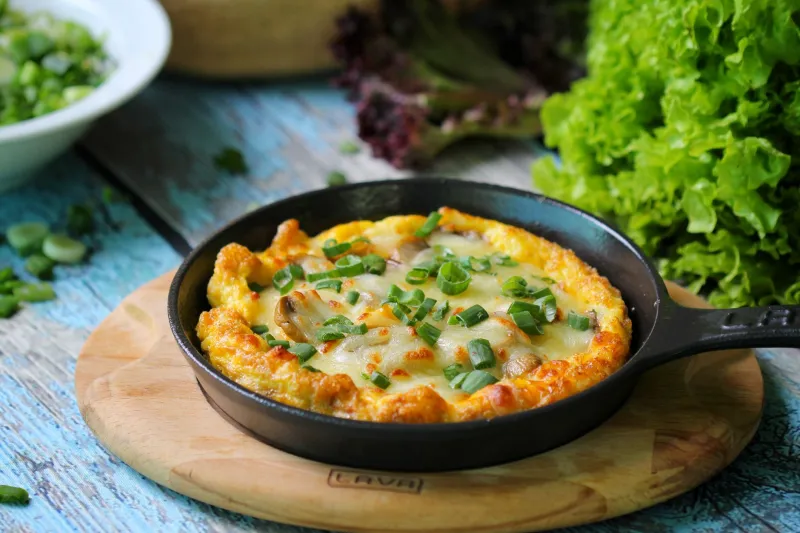
If there was a consensus weeknight French meal that came up across every conversation, it was this: a simple omelet.
Not a fluffy American diner omelet stuffed with fillings. A French omelet — pale, barely set, rolled rather than folded, finished with fresh herbs. It requires a good pan, good eggs, butter, and about three minutes of focused attention.
"It's the hardest easy thing to cook," laughed one chef. "And when you get it right, it's one of the most satisfying things you'll ever eat. That's the whole philosophy, really. Simple, done well, eaten while it's hot."
For SF home cooks looking to bring a little Paris into the weeknight rotation, that might be the most honest starting point there is.