Beyond Bordeaux: The SF Chefs Cooking at the Crossroads of French and Francophone
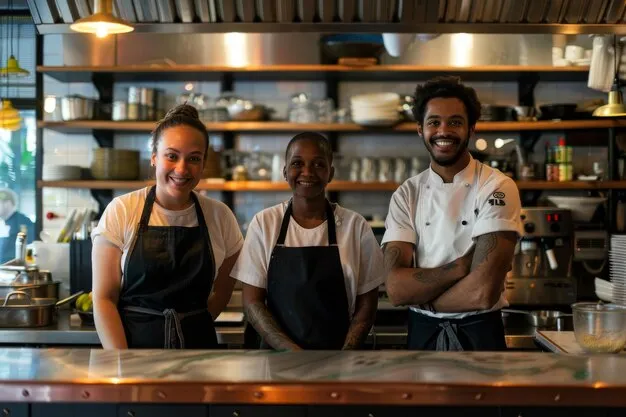
Photo: diverse francophone African Vietnamese Caribbean French fusion restaurant kitchen chef, via img.freepik.com
There's a version of French cuisine that lives in the collective imagination — white tablecloths, classical sauces, a wine list organized by appellation. It's a real thing, and it's genuinely worth loving. But it's also incomplete. French culinary history is inseparable from the history of French colonialism, and that history left behind something the food world is only beginning to fully reckon with: an extraordinary web of flavor, technique, and cultural memory that stretches from Dakar to Hanoi to Fort-de-France.
In San Francisco, a growing number of chefs are cooking at exactly that intersection — and the food coming out of their kitchens is reshaping what French-inspired dining means in this city.
The Francophone Kitchen: A Different Kind of French Influence
When we talk about Francophone cuisine, we're talking about the food cultures of countries and regions that were shaped — sometimes brutally, sometimes more subtly — by French colonial presence. West Africa. Vietnam. Cambodia. Martinique. Réunion. These places developed culinary traditions that absorbed French technique and then transformed it, layering in local spices, indigenous ingredients, and cooking methods that predate any European contact.
The result isn't French food with a twist. It's something genuinely distinct: a culinary language that speaks French but thinks in something far older and more complex.
SF chefs with roots in these food cultures are bringing that language to their menus in ways that feel both personal and urgent. For many of them, the cooking is explicitly autobiographical — a way of honoring family histories that don't fit neatly into either the French fine dining canon or the American immigrant restaurant narrative.
Vietnamese-French: More Than Bánh Mì (Though Also That)
The Vietnamese-French culinary relationship is probably the most familiar to American diners, thanks in large part to bánh mì — that perfect collision of French baguette and Vietnamese filling that has become a fixture of food culture in cities across the US.
But SF chefs working in this tradition are going much deeper than the sandwich. Think about the way French mother sauces get reinterpreted through a Vietnamese lens: a beurre blanc that picks up lemongrass and fish sauce, not as a gimmick but as a genuinely coherent flavor logic. Or a daube — the slow-braised French stew — made with star anise and ginger in a way that makes you wonder why it was ever made any other way.
The French influence on Vietnamese cooking shows up in unexpected places too. The Vietnamese love of pâté, for instance, or the prevalence of coffee culture in Hanoi and Ho Chi Minh City. These aren't accidents. They're the lasting marks of a long and complicated history, and SF chefs are engaging with that complexity honestly.
West African Roots, French Training
For chefs with Senegalese, Ivorian, or Cameroonian backgrounds, the relationship with French cuisine is often more fraught — and the cooking that emerges from that tension is some of the most interesting in the city.
West African culinary tradition is extraordinarily rich. Dishes built around fermented ingredients, bold spice combinations, and slow-cooked proteins that develop layers of flavor over hours. When chefs trained in classical French technique bring that background to their work, the results can be genuinely revelatory.
Imagine a French-style braise where the braising liquid is built on a base of yassa — the Senegalese preparation of caramelized onions and lemon — rather than the standard mirepoix and red wine. Or a terrine that incorporates grains of selim, a West African pepper with an earthy, floral heat that makes black pepper seem one-dimensional by comparison. The technique is French. The soul is Senegalese. Neither element is diminished by the presence of the other.
Several SF chefs working in this space describe a deliberate negotiation happening in their kitchens — a conscious decision about when to let the French structure lead and when to let the West African flavor logic take over. It's not fusion in the dismissive sense. It's something more like a conversation between two fully realized culinary traditions.
The Caribbean Connection: Créole, French, and Completely Its Own Thing
Martinique and Guadeloupe are technically French departments — their residents are French citizens, and their kitchens have been shaped by French culinary influence for centuries. But Martinican and Guadeloupean cooking is unmistakably its own thing: a vibrant, spice-forward, produce-rich tradition that uses French technique as a foundation and builds something entirely different on top of it.
Chefs with Caribbean-French backgrounds cooking in SF are navigating a fascinating identity question: what does it mean to present this food in the context of a French-inspired restaurant? How do you honor a tradition that is genuinely French and genuinely not French at the same time?
The answers tend to show up on the plate rather than in mission statements. A colombo — the Caribbean curry that arrived via South Asian indentured laborers brought to the islands during the colonial period — served alongside a classical French accompaniment. A grilled fish preparation that uses the French method but builds its marinade from local herbs like bois d'inde and thyme that have no European equivalent. The food tells a complicated story, and the best chefs in this space don't try to simplify it.
Why This Matters for SF's Food Scene
San Francisco has always been a city that takes its food seriously and values culinary diversity. But the conversation about what counts as French cuisine — and who gets to define it — is one the local dining scene is only beginning to have in an honest way.
The chefs working at the intersection of French and Francophone food cultures are doing something important: they're expanding the definition of French cuisine beyond its European borders and insisting that the full history of French food includes the voices and traditions of the people France colonized. That's not a political statement so much as a culinary fact, and it's one that makes the food more interesting, more complex, and more alive.
For diners in SF, this means there's a whole world of flavor waiting just beyond the standard bistro menu. All you have to do is follow the food.