Whole Animal, Whole Story: How SF's French Butchers Are Rewriting the Rules of the Meat Counter
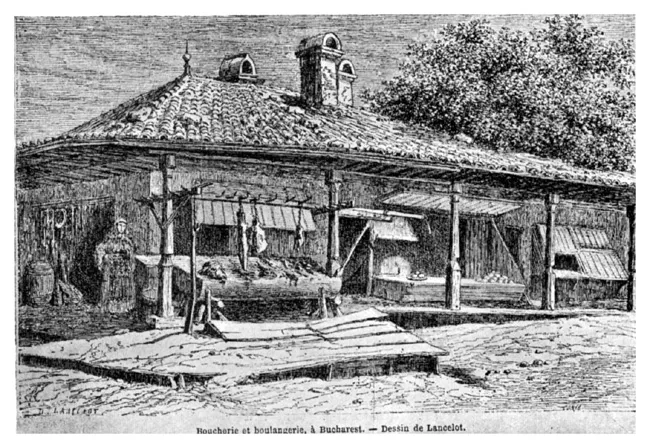
Photo: Dieudonné Lancelot, Public domain, via Wikimedia Commons
Walk into most American grocery stores and the meat section tells a pretty limited story. Shrink-wrapped chicken breasts. Boneless pork chops. Maybe a ribeye if you're lucky. Everything pre-cut, pre-portioned, pre-decided for you. Efficient, sure. But also a little soul-crushing if you've ever stood at a French boucherie and watched a butcher work through an entire lamb with the kind of calm confidence that comes from years of practice.
In San Francisco, a handful of butcher shops — many of them run by or trained in the French tradition — are trying to close that gap. Not by making things more complicated, but by pulling back the curtain on a craft that most Americans have never had the chance to learn.
Why the Whole Animal Matters (Even If You Only Cook for Two)
The French approach to butchery isn't about nostalgia or culinary theater. It's fundamentally practical. When a butcher breaks down a whole animal, nothing gets wasted. The bones go into stock. The tougher cuts get braised low and slow into something extraordinary. The fat gets rendered and stored. The offal — yes, even the offal — finds a purpose.
For French home cooks, this kind of thinking is just common sense. For most Americans, it feels like a foreign language.
That's exactly the problem SF's French-influenced butchers are working to solve. The mission, as several shop owners describe it, isn't just to sell good meat. It's to rebuild the relationship between the person buying it and the animal it came from. That might sound lofty, but in practice it looks like a butcher spending twenty minutes with a first-time customer explaining the difference between a chuck roast and a short rib — and why both are worth knowing.
The Cuts Nobody Talks About (But Should)
Ask a French-trained butcher what Americans are missing out on and they'll give you a list. Bavette, the loose-grained flank-adjacent cut that takes a marinade beautifully and cooks fast over high heat. Pork collar, almost impossibly tender when braised, and a fraction of the price of a tenderloin. Beef cheeks, which most supermarkets don't even stock but which become silky and rich after a few hours in red wine.
These aren't exotic or difficult. They're just unfamiliar. And familiarity, it turns out, is exactly what these butcher shops are selling.
Several Mission District shops have started hosting informal cutting demonstrations on weekend mornings — low-key, stand-around-the-block situations where a butcher works through a shoulder or a side of pork while explaining what each section is good for. The vibe is more neighborhood hangout than cooking class. People ask questions. Butchers answer honestly. Someone usually ends up buying something they've never cooked before.
Storage and the French Fridge Philosophy
One of the less glamorous but genuinely useful things French butchery culture has to offer is a different way of thinking about storage. In France, buying meat from a butcher and using it over the course of several days — properly wrapped, correctly refrigerated or even dry-aged briefly at home — is completely normal. The idea that meat needs to be cooked the day you buy it is largely an American anxiety, and it's one that limits how people shop.
French-trained butchers in SF are actively pushing back on this. Proper butcher paper wrapping. Knowing which cuts benefit from a day or two of rest in the fridge. Understanding that a little surface discoloration on a well-sourced piece of beef is oxidation, not spoilage. These are small pieces of knowledge that make a real difference in how confidently someone can cook at home.
Starting Simple: The Beginner-Friendly French Cuts
For anyone who's curious but not ready to commit to breaking down a whole chicken on a Tuesday night, the butchers have a starter list.
Pork belly is probably the most forgiving entry point into French-style cooking. Salt it, let it sit overnight, roast it low and slow. Slice it thick or thin. It's hard to mess up and deeply satisfying.
Chicken thighs — bone-in, skin-on — are the French home cook's best friend. Sear them hard in a cast iron, add some shallots and white wine, cover and let it go. You're basically making a weeknight coq au vin without the drama.
Braising cuts like beef chuck or lamb shoulder reward patience more than skill. A Dutch oven, some aromatics, a bottle of wine you'd actually drink — that's most of the work. The oven does the rest.
The point isn't to turn SF home cooks into professional charcutiers overnight. It's to get them comfortable enough to ask for something other than a boneless skinless chicken breast — and to know what to do with it when they get home.
The Bigger Shift Happening at the Counter
What's interesting about this movement isn't just the food. It's the cultural shift underneath it. French butchery culture is inherently relational. You know your butcher. Your butcher knows what you like to cook. There's a conversation happening at the counter that just doesn't exist when you're pulling a tray off a refrigerated shelf.
In a city like San Francisco, where food culture runs deep and people genuinely care about where their ingredients come from, that relational model resonates. The farmers market crowd already gets it. The restaurant community definitely gets it. But the French-trained butcher shops in the Mission and beyond are making the case that this kind of engagement belongs in everyday home cooking too — not just in professional kitchens or weekend hobby projects.
It's a slow shift. But it's happening, one bavette steak and one curious customer at a time.