The Humble Vegetable's Glow-Up: How SF Chefs Are Using French Technique to Make the Overlooked Irresistible
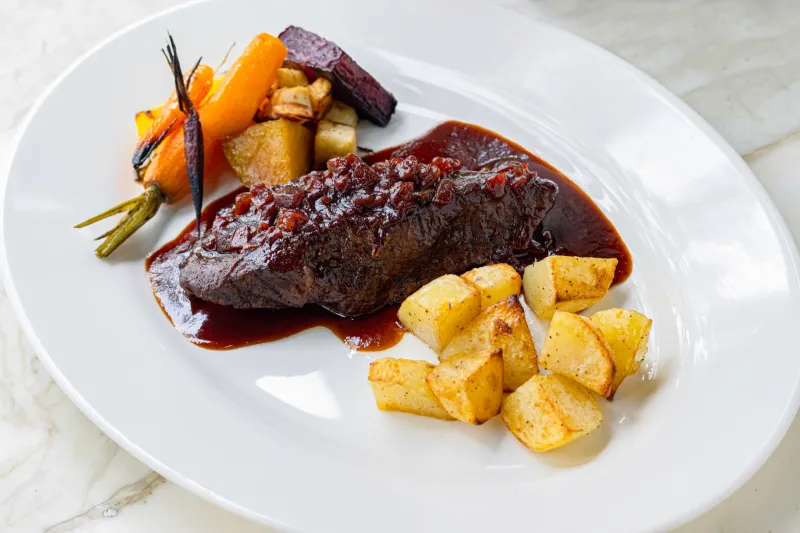
There's a particular kind of magic that happens when a French-trained cook gets their hands on a gnarly, dirt-caked root vegetable that most people would leave sitting at the bottom of a produce bin. What comes out on the other end of that kitchen — slow-braised, silky-puréed, or oil-bathed into something deeply savory — barely resembles what went in. That transformation is exactly what's driving one of the quieter, more interesting movements in San Francisco's restaurant scene right now.
Across the city, chefs working in the French-inspired tradition are turning their attention to vegetables that have long been treated as afterthoughts — not just as a nod to plant-based dining trends, but because French technique, it turns out, is almost uniquely suited to making the forgotten stuff sing.
The Produce Nobody's Fighting Over
Walk through the Ferry Building Farmers Market on a Saturday morning and you'll see the usual scramble for early strawberries, heirloom tomatoes, and whatever citrus is having a moment. But tucked into the corners of those stalls are the vegetables that don't move as fast: sunchokes with their knobby, alien silhouettes; celeriac that looks like something dug up by accident; kohlrabi in shades of pale green and purple; long-forgotten parsnips sitting next to their flashier carrot cousins.
For a lot of home cooks, these are intimidating or simply unfamiliar. For the chefs at some of SF's best French-inspired spots, they're an opportunity.
"The vegetable doesn't have to be glamorous to be interesting," says one chef who runs a small bistro in the Inner Richmond. "In fact, the less glamorous it is, the more I want to figure out what it actually tastes like when you treat it properly."
Treating it properly, in the French sense, often means slowing way down.
What Braising Does That Nothing Else Can
The French braise is one of those techniques that sounds fancier than it is. At its core, you're cooking something low and slow in a small amount of liquid — enough to create steam, enough to keep things moist, enough to coax flavor out of every fiber of whatever's in the pot. It's a method built for tough cuts of meat, historically. But applied to vegetables, it does something almost counterintuitive: it concentrates flavor while simultaneously softening texture into something approaching luxury.
Braised endive is the classic example — bitter, firm leaves that emerge from the pot caramelized and tender, with a sweetness you'd never guess was hiding in there. But SF chefs are pushing well beyond endive. Braised turnip wedges finished with a little butter and fresh thyme. Celery root slow-cooked in white wine until it's practically melting. Even leeks, which most people only know as a soup ingredient, getting the full braise treatment and landing on plates as something that feels genuinely elegant.
The technique matters because it doesn't just cook the vegetable — it builds a relationship between the produce and whatever liquid surrounds it. A splash of good stock, a knob of butter, a few aromatics: these things seep in, and what comes out is layered in a way that raw or quickly roasted vegetables rarely achieve.
Purée as a Serious Culinary Argument
If braising is about patience, purée is about commitment. French vegetable purées — think the classic pommes purée, but extended outward to parsnip, cauliflower, celery root, and beyond — are labor-intensive in a way that forces a kitchen to take a vegetable seriously. You're cooking it through completely, passing it, sometimes twice, through a fine sieve, emulsifying fat into it until the texture is so smooth it almost feels like it shouldn't exist.
Several SF restaurants are using purée as a way to introduce diners to vegetables they'd otherwise skip. A silky sunchoke purée, for instance, has a nutty, almost artichoke-like depth that surprises people who've never thought much about the ingredient. Puréed kohlrabi, finished with crème fraîche and a little lemon, is mild and sweet in a way that reads as comforting rather than challenging.
The purée also functions as a great equalizer on the plate. It doesn't matter how strange a vegetable looks in its raw form — once it's been worked into something that smooth and rich, presentation is no longer a barrier. Diners engage with it differently.
Confit: The Technique That Changes Everything
Confit — cooking something submerged in fat at a low temperature over a long period — is most associated with duck legs in the American imagination. But French cooks have long applied the same logic to vegetables, and SF chefs are reviving that tradition with real enthusiasm.
Garlic confit is the entry point most people know: cloves cooked slowly in olive oil until they're jammy and spreadable, their sharpness completely transformed into something mellow and almost sweet. But the technique scales beautifully. Fennel confit develops an anise depth that regular roasting can't quite reach. Shallots cooked low and slow in butter become something closer to a condiment than a vegetable — intensely flavored, silky, and endlessly versatile.
One chef in the Mission has been running a rotating confit vegetable as a small plate for the better part of a year, cycling through whatever's most abundant and least appreciated at the market. Beets one week, radishes another, even green tomatoes at the tail end of summer. The constant is the technique; the variable is whatever needs a champion.
Why This Matters Beyond the Plate
There's a sustainability angle here that's worth naming directly, even if most of the chefs doing this work are more focused on flavor than on making a statement. Using the full range of what farmers grow — not just the pretty stuff, not just the fast movers — is genuinely better for the agricultural ecosystem that SF's restaurant scene depends on. Farmers can sell more of what they produce. Less goes to waste. The economic relationship between kitchen and farm gets a little more balanced.
But the chefs themselves tend to frame it simply: these vegetables deserve attention, and French technique is one of the best tools available for giving it to them. The methods were developed over centuries to extract the most from whatever ingredients were on hand, often humble ones. Applying that same rigor to a sunchoke or a parsnip isn't a stretch — it's exactly what the tradition was built for.
Where to Start If You're Curious
You don't have to wait for a restaurant visit to get a feel for this. Pick up something unfamiliar at your next farmers market run — celeriac, sunchokes, kohlrabi, whatever catches your eye — and try a simple braise at home. A little butter, a splash of stock or white wine, low heat, a lid, and time. See what comes out the other side.
Or let SF's French-inspired kitchens do the work for you. The vegetables are there, on menus across the city, getting the kind of treatment that makes you wonder why you ever overlooked them in the first place.