Pâté, Patience, and a Whole Lot of Salt: Meet the SF Charcutiers Doing It the French Way

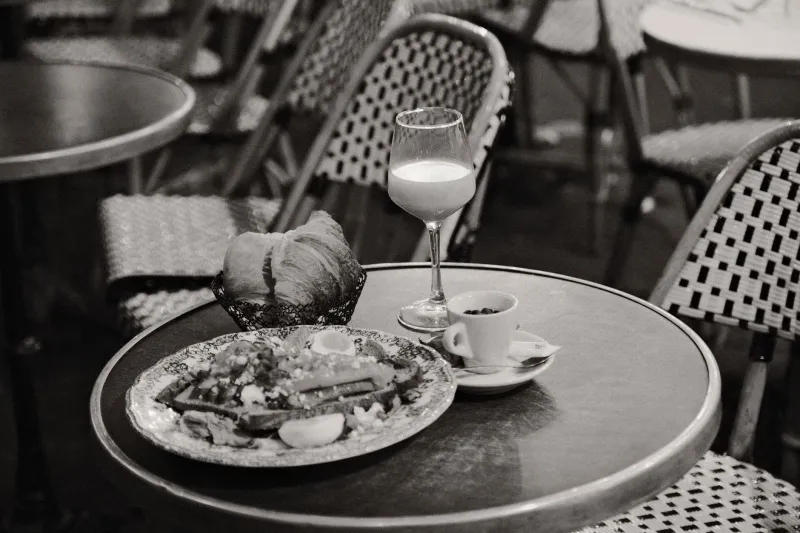
Photo by Photo by Mike Houser on Unsplash on Unsplash
There's a particular pleasure in a well-made terrine that's hard to articulate but impossible to miss. It's the density of it, the way a clean slice holds its shape on the board. The layered flavors that unfold slowly—fat, herb, spice, a faint sweetness from whatever's been folded in. It tastes like someone spent time on it, because they did. A lot of time.
In San Francisco, a handful of artisans are doing exactly that work, largely out of sight. They're not running splashy restaurant concepts or racking up Yelp reviews. They're in production kitchens and butcher-adjacent spaces, waking up early, working with whole animals, and turning out charcuterie the way it's been made in France for generations. Their names might not be on the menus where their products appear, but their work is very much present on the plate.
What "Real" Charcuterie Actually Means
The word charcuterie gets used loosely these days—loosely enough that a grocery store board of pre-sliced salami can technically qualify. But in the French tradition, charcuterie is a specific and demanding craft. It encompasses cured and cooked preparations: pâtés, terrines, rillettes, saucisson, jambon persillé, boudin, and more. Each one requires a different technique, different timing, different ratios of fat to lean, salt to meat.
The French approach is built around a few non-negotiable principles: quality sourcing, careful seasoning, and patience. You can't rush a terrine. You can't fake a good rillette. The fat has to render slowly, the meat has to braise low and long, and then the whole thing needs time to set and develop flavor before it ever hits a plate.
"What separates traditional charcuterie from the stuff you find vacuum-sealed at a big grocery chain is really just time and intention," says one SF-based charcutier who supplies several French-leaning restaurants in the city. "Mass production compresses both of those things. We don't."
The Artisans Behind the Board
San Francisco's charcuterie scene operates on a smaller, quieter scale than, say, its bakery or cheese culture—but it's more active than most diners realize. Several producers are working out of shared kitchen spaces and small butcher shops, turning out limited weekly batches that get distributed to restaurants, specialty food stores, and the occasional farmers market.
One maker operating out of the Dogpatch neighborhood has built a following almost entirely through word of mouth. His focus is on classic French country preparations—duck rillettes, pork and pistachio pâté en croûte, a rotating seasonal terrine that changes based on what's coming out of local farms. He sources whole animals from Northern California ranches and uses every part, which is very much in the French tradition. Nothing gets wasted.
"In France, charcuterie was originally about preservation and resourcefulness," he explains. "You had a pig, and you needed to make the most of it. That philosophy still makes sense here, especially when you're working with farmers who are raising animals responsibly. You honor that work by using everything."
Another producer, working out of a small space in the Inner Richmond, has made terrines her specialty. Her lineup includes a classic chicken liver mousse—silky, deeply savory, finished with a thin layer of port gelée—alongside more ambitious preparations like a jambon persillé (the gorgeous Burgundian dish of ham set in herbed parsley aspic) and a duck and foie gras terrine that shows up on the menus of at least three notable SF restaurants without any fanfare about its origins.
"Most diners have no idea who made what they're eating," she says, not bitterly, just matter-of-factly. "They know the restaurant. That's fine. But there's a whole supply chain of people doing serious craft work that stays pretty invisible."
How It Gets to Your Table
The path from production kitchen to restaurant plate is more direct than you might expect. Many of SF's French-inspired restaurants work with just one or two charcuterie suppliers they trust, often building long-term relationships that allow for custom orders—a specific terrine designed around the restaurant's menu, or a seasonal preparation that ties into whatever the kitchen is doing with a particular ingredient.
For the restaurants, the appeal is obvious. House-made charcuterie is time-intensive and requires specialized knowledge that not every kitchen has. Bringing in a dedicated artisan means consistent quality without pulling the kitchen team away from other work. And for chefs who care about sourcing—which, in SF's French-inspired dining scene, is essentially all of them—working with a known producer who shares their values on animal welfare and local sourcing is a straightforward win.
"We know exactly where everything comes from," says the chef at one French-California bistro in Hayes Valley that features a dedicated charcuterie section on its menu. "That matters to our guests, and honestly it matters more to us. It changes how we talk about the food."
Finding It for Yourself
If you want to explore SF's artisan charcuterie scene outside of a restaurant setting, the best entry points are specialty butchers and food shops that stock local producers. A few spots in neighborhoods like the Mission, Cole Valley, and the Sunset carry small-batch terrines and rillettes from local makers—look for handwritten labels and limited quantities, which are usually good signs that you're dealing with the real thing.
Farmers markets are another route, though charcuterie producers don't appear at every market and their schedules can be irregular. It's worth asking at a market you already frequent whether any charcuterie vendors rotate through.
When you're eating out, don't be shy about asking where the charcuterie comes from. A restaurant that's working with a local artisan will usually be happy to tell you. One that goes quiet might be reaching for the vacuum-sealed stuff.
The craft is there if you go looking for it. And once you've had a properly made duck rillette—spreadable, rich, faintly gamey in the best way, served with good mustard and a thick slice of baguette—the grocery store board starts to feel like a very different thing entirely.